How to Choose the Right Bike Rack for Cars without Wasting Money
Admin 2026-02-25 15:26:00
Choosing the right rack can feel confusing and expensive. This guide breaks down what actually matters before you spend.
It can be hard to figure out which bike rack for cars is best. At first, the options look the same, but slight adjustments have a bigger effect on daily use than you might think. This guide breaks down how different systems work, what factors actually matter, and why vertical designs are gaining attention. The goal is simple. Help people choose a rack that fits their lifestyle without overspending or dealing with regrets later.
Different Types of Bike Rack Options Available
Most racks fall into a few core categories, but each works differently once installed on a vehicle. People often assume all racks perform the same until loading bikes becomes frustrating or space runs out during trips.
Vertical Bike Stand Versus Traditional Car Bike Rack
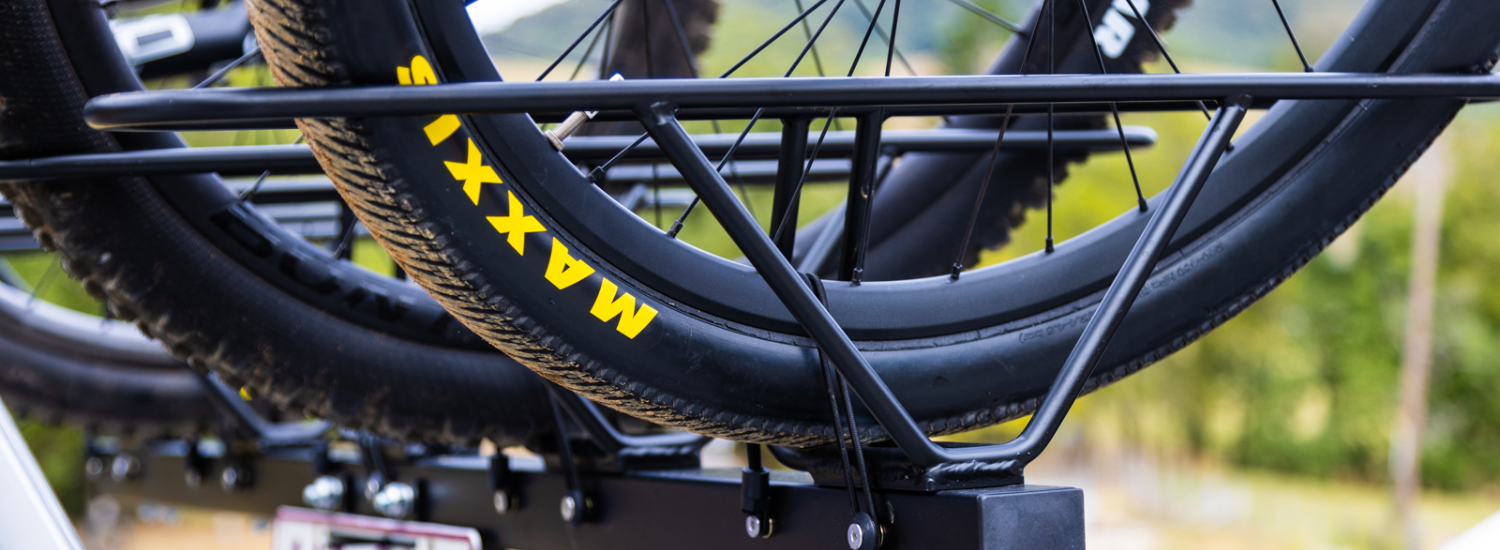
A vertical bike stand keeps bikes upright by supporting the wheels instead of dangling frames. This approach takes up less horizontal space and keeps several bikes in a neat line. A lot of users on forums say that this design keeps the handlebars from getting in the way and makes loading easier.
A traditional car bike rack typically carries bikes horizontally. While widely available, these racks can become difficult when carrying more than two bikes. People often describe time spent adjusting pedals and frames just to prevent bikes from touching each other.
Hitch-Mounted Versus Roof-Mounted Vehicle Bike Carrier
A hitch-mounted vehicle bike carrier links to the back tow hitch, which makes loading easier because the bikes stay on the ground. This arrangement is good for heavier bikes like e-bikes because it doesn't put too much strain on your back.
Roof-mounted options require lifting bikes overhead, which sounds manageable until dealing with heavier frames or taller vehicles. People frequently share concerns about forgetting bikes and hitting low-clearance areas.
Key Factors That Affect Your Buying Decision
Choosing the right rack goes beyond type. Real satisfaction often comes down to practical details that only become obvious after regular use.
Bike Capacity and Weight Limits
A lot of racks say they can hold more than one bike, but how the weight is spread out is more important than how many bikes they can hold. Some setups have trouble hauling bigger bikes, notably e-bikes.
Key considerations include
- Maximum load per bike position.
- Total rack weight capacity.
- Stability when fully loaded.
The 4 Vertical Bike Rack from JB Racks Australia supports up to 110 kg combined, with each wheel holder handling up to 30 kg. This capacity makes it suitable for mixed setups, including standard bikes and heavier electric models.
Vehicle Compatibility and Installation
Compatibility issues are one of the most common frustrations. People often realize too late that their rack does not fit their vehicle properly. The 4 Vertical Bike Rack is designed for a standard 2-inch hitch, which is common across many vehicles. Installation typically takes around 30 to 45 minutes. Some people mention assembly takes patience, but once installed, daily use becomes straightforward.
Storage and Convenience Benefits
Convenience often outweighs price differences over time. A rack that is difficult to store or load quickly becomes a burden. Vertical systems offer a practical advantage by doubling as storage when paired with accessories like a shed stand. Some people mention using the rack inside garages to organize bikes rather than leaving them scattered across the floor.
Why Vertical Bike Racks Have Become Popular
People are paying more attention to vertical racks because they fix difficulties that traditional designs have trouble with. One of the best things about it is that it uses space well. Instead of extending far behind the vehicle, bikes stay compact and upright. This makes parking easier and reduces the feeling of driving with an oversized attachment. People often highlight how this improves confidence during longer trips.
Another reason comes down to simplicity. Loading bikes onto a vertical bike rack removes the need for complex positioning. Bikes roll into place rather than being lifted and balanced. Over time, this ease of use becomes a deciding factor for many.
Stability also plays a role. Systems with anti-wobble features reduce movement during travel, which helps protect both bikes and the vehicle. This detail is frequently mentioned by people who have switched from older rack styles.
How JB Racks Australia Solves Common Bike Transport Problems
JB Racks Australia focuses on practical design rather than adding unnecessary features. The focus is on strength, simplicity, and usability.
Overview of the 4 Vertical Bike Rack
The 4 Vertical Bike Rack is built from high-quality structural steel and tested under demanding conditions. Despite its strength, the design keeps the weight manageable at around 34 kg.

Key highlights include
- Capacity for 4 to 6 bikes, depending on configuration.
- Rubber-lined holders that grip the tires instead of frames.
- An anti-wobble system that minimizes movement during driving.
- Compatibility with most bikes between 21 and 29 inches.
The rack also supports quick loading, which many people appreciate after dealing with slower systems. Feedback often highlights how bikes can be secured in seconds rather than minutes. In terms of value, the rack comes as an affordable option in the category of best bike carriers, especially when you consider its capacity and build quality.
Who This Rack Is Best Suited For
This rack suits people who regularly travel with multiple bikes or need a reliable setup for family use. It works well for those carrying a mix of bike types, including heavier models. It also works for people who want a long-term treatment instead of a quick fix. Over time, being able to use, store, and travel with it every day without having to make continual changes makes a big impact.
Some feedback points out minor limitations. Assembly can take effort, and certain bike accessories like front fenders may require small adjustments. These situations appear occasional rather than widespread but are worth considering before purchase.
Frequently Asked Questions
How Do I Know If a Bike Rack Will Fit My Car?
Check your vehicle manual for hitch specifications. Most modern racks require a 2-inch hitch, which is standard on many vehicles.
Are Vertical Bike Racks Safe for Long Distance Travel?
Yes, when properly secured. Features like anti-wobble systems help keep bikes stable even on uneven roads.
What Type of Bike Rack Is Best for Heavy Bikes?
Hitch-mounted racks with higher weight limits tend to perform better for heavier bikes such as e-bikes.
Do Bike Racks Damage the Bike Frame?
Racks that hold bikes by the wheels reduce frame contact. This lowers the risk of scratches and wear over time.
Is It worth Investing in a Higher-Capacity Rack?
People often find higher-capacity racks more practical. Extra space allows flexibility for future needs without upgrading again later.
Choosing the right rack comes down to how often it will be used and how many bikes need to be carried. A setup that feels convenient from day one tends to stay useful for years. Exploring options like those from JB Racks can provide a clearer idea of what modern designs offer. For discounts on your next racks, have a look at JB Racks Promo Codes before you buy.
Follow StayMoon for more on the best travel accessories.


