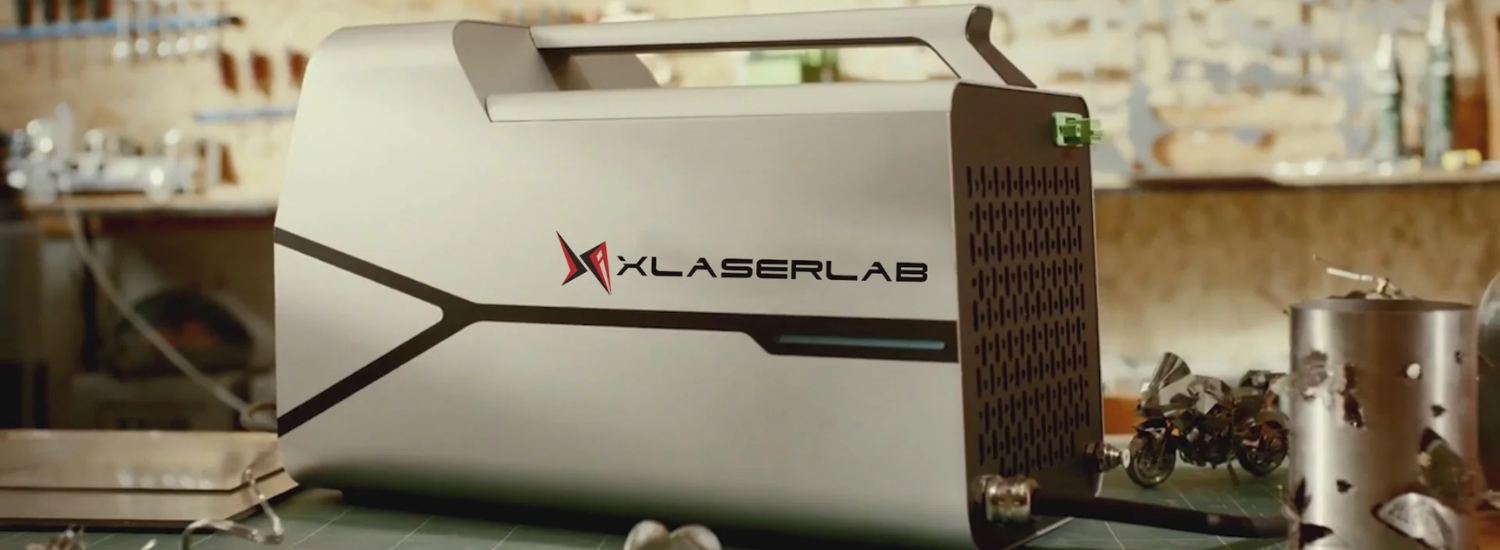
Xlaserlab X1 Pro Review: What Makes this Multi Purpose Welder Different
Admin 2026-02-21 11:10:00
A closer look at the Xlaserlab X1 Pro and how its three in one laser system enhances compact workshop tools.
Interest in compact laser welding systems has grown quickly as workshops look for tools that simplify fabrication tasks without filling the workspace with multiple machines. The Xlaserlab X1 pro has gotten attention because it combines welding, cutting, and metal cleaning in one unit.
This review examines how the system performs in real workshop scenarios, where it fits best, and what limitations people should understand before considering this type of technology.
Why Modern Workshops Have Moved to Multi-Purpose Welder Technology
Metal fabrication traditionally requires several dedicated tools. Many shops might use one machine for welding, another for cutting sheet metal, and a whole other one for rust removal or surface preparation. Managing multiple systems consumes space and slows down your workflow. People in online communities mention how crowded garages or small shops become once grinders, welders, cutters, and sanders start accumulating.
Another reason individuals start exploring new welding tools comes from uncertainty about equipment choices. Many newcomers spend time researching what type of welder should i buy before investing in a system that will support their projects for years.
What the Xlaserlab X1 Pro Does
The Xlaserlab X1 Pro takes a different approach when it comes to metalworking in comparison to traditional arc welding machines. This machine isn't just a one-trick pony. It seamlessly integrates welding, cutting, and cleaning, all thanks to fiber laser technology. Each mode has been designed for a different stage of the fabrication process.
Welding Capability And Performance
At the center of Xlaserlab X1 Pro is a fiber laser capable of delivering concentrated energy that melts metal quickly while keeping surrounding areas relatively cool. The technology creates narrow weld seams that often require less grinding or finishing afterward.
A number of fabrication workers who are experimenting with laser welders report that the learning curve is different from traditional TIG welding. They describe achieving acceptable welds earlier than anticipated, but practice is still needed to control travel speed and beam location.
The machine offers a range of welding modes including pulse, spot, and continuous welding. These options help adjust the process depending on joint type and metal thickness. Materials such as stainless steel, aluminum, and carbon steel can be processed within a thickness range of roughly half a millimeter to three millimeters.
Despite these strengths, the system is not intended for heavy structural welding. Projects involving thick steel frames or large industrial components usually remain better suited to traditional MIG or stick welding equipment.
Cutting Capability For Thin Metals
The Xlaserlab X1 Pro allows you to process thin sheet metal with relatively smooth edges on its cutting mode. The clean cuts inevitably reduce the amount of finishing work one might need before welding or assembly starts.
For fabrication shops that repeatedly create brackets, panels, or custom hardware, this capability removes the need to switch between separate cutting tools and welding equipment. The change may seem small at first, yet it can noticeably shorten project timelines when repeated across many parts.
Laser cutting in this category remains focused on thin material. It works well within the given thickness range, but people expecting the machine to replace large industrial plasma cutters may find its capabilities to be more limited.
Cleaning And Rust Removal Function
Rust removal and surface preparation often take longer than the actual welding process. Grinding discs, sandpaper, and chemical treatments can consume hours during restoration projects.
Laser cleaning provides an alternative approach by vaporizing oxidation and surface contaminants. The X1 Pro Welder includes adjustable cleaning widths so operators can treat small rust spots or wider corroded areas.
People restoring vintage machinery often mention how difficult it can be to remove corrosion without damaging original metal. Laser cleaning reduces the need for aggressive mechanical sanding, though careful settings are still required when working with delicate materials.
Key Features That Make the X1 Pro Portable Welding Equipment Ideal
Compact welding tools gain interest among workshops that operate in limited spaces. Many fabrication environments simply cannot support large industrial machines or specialized electrical installations.
Compact Design and Workshop Flexibility
Weighing around twenty-one kilograms, the Xlaserlab X1 Pro fits comfortably on a workbench rather than requiring a dedicated industrial footprint. For small shops or garages, this difference can significantly affect how the workspace is organized.
The system also operates on a wide input voltage range between one hundred and two hundred fifty volts. This allows it to function in many environments without major electrical modifications.
Smart Controls and Preset Settings
Operating laser welding equipment requires precise control of parameters such as power levels, travel speed, and material compatibility. The Xlaserlab X1 Pro attempts to simplify these adjustments through a touchscreen interface that stores preset configurations. Material-specific settings can be saved and recalled quickly.
This reduces setup time when switching between projects that involve different metals or thickness levels. People testing modern welding tools mention how convenient preset systems become during repetitive fabrication work. At the same time operators still need to monitor parameters carefully because incorrect settings can affect weld quality.
Materials and Thickness It Can Handle
The Xlaserlab X1 Pro supports several commonly used fabrication materials including stainless steel, aluminum, titanium, carbon steel, brass, and nickel alloys. This range covers many projects found in automotive repair, custom fabrication, and small scale manufacturing. Processing thickness remains limited to roughly three millimeters.
While that range suits sheet metal fabrication and light structural work, heavier welding applications still require more traditional equipment. Seven interchangeable copper nozzles expand the machine’s versatility by supporting different joint styles such as lap joints, fillet joints, and flat welds.

Things to Consider Before Buying a Multi-Purpose Welder
Tools that combine several capabilities attract individuals because they simplify workshop setups. Yet several practical considerations remain important before choosing equipment like this. Laser welders perform best with thin materials and precision fabrication. Individuals working primarily with thick structural steel may still rely on traditional welding methods.
The Xlaserlab X1 Pro also requires shielding gas to operate safely. Argon, nitrogen, or carbon dioxide must be connected before welding, cutting, or cleaning can begin.
Cost becomes another factor for many workshops. Systems that integrate multiple functions can reduce the need for separate equipment, yet the initial investment may feel high compared with entry-level welders.
Finally, safety should always remain a priority. Laser equipment has strict safety classifications, so protective eyewear and proper operating procedures remain essential.
Frequently Asked Questions about the Xlaserlab X1 Pro
Can the Xlaserlab X1 Pro Replace a Traditional MIG Welder?
Laser welding excels with thin metals and precision work. MIG welders still remain better suited for thicker structural welding tasks.
How Thick of Metal Can the Machine Weld?
The system typically handles materials between half a millimeter and three millimeters, depending on the metal type.
Does the Machine Require Shielding Gas?
Yes, shielding gas must be connected before the machine can operate. Argon nitrogen and carbon dioxide are commonly used.
Is Laser Welding Safe for Smaller Workshops?
Laser welding can be okay in smaller workshops, provided that stringent safety protocols are followed. Essential components include protective goggles and the establishment of controlled environments.
Does Laser Welding Reduce Metal Distortion?
Laser welding produces a narrow heat-affected zone. This often reduces warping during sheet metal repairs compared with some traditional welding methods.
Modern fabrication tools are introduced as technology changes how workshops approach metalworking tasks. The Xlaserlab X1 Pro represents one example of this shift toward compact systems capable of handling multiple fabrication stages. If you’re looking into buying this multi purpose welder, be sure to look at Xlaserlab Promo Codes so you can save on your purchase.
Follow StayMoon to get insight on the most innovative tools out there.